










Search Results For:

Search Results for: founders – Page 11

If we are to safeguard the moral conditions for an authentic human ecology we must take far more seriously the care, nurture, and cultivation of children and young people in virtue. The first in a two-part series.
If today we see ill effects of individualism, it does not mean that we should blame them on the founders. Our problem is a cultural one, not some deep, all-encompassing flaw in our political system.
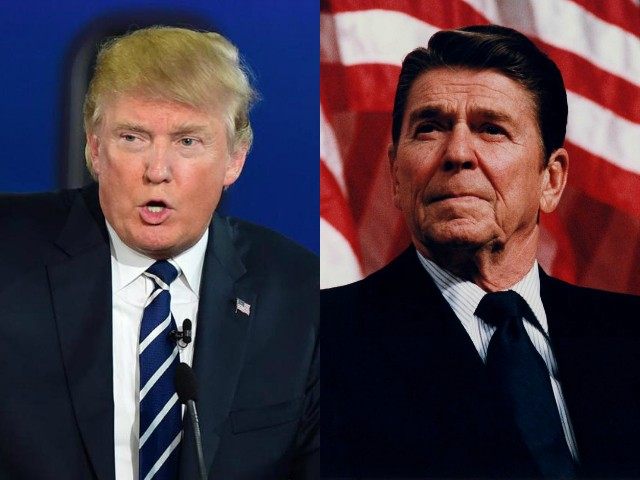
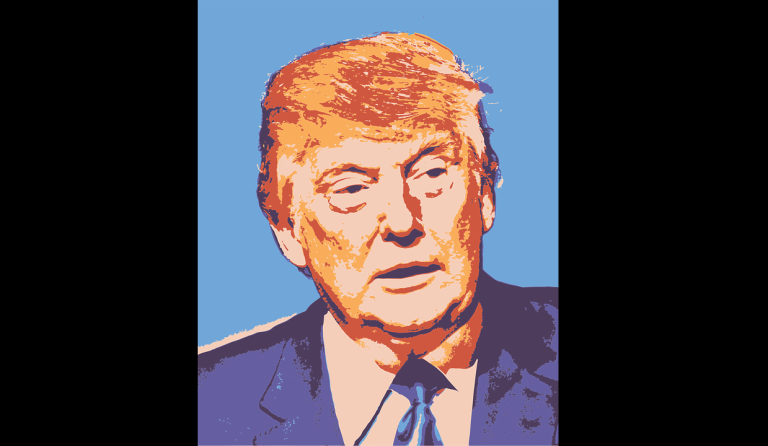
Donald Trump should commit to protecting the free exercise of religion for all Americans of all faiths.
Supporting markets as the economic arrangements most likely to help promote human flourishing doesn’t necessarily mean you accept libertarian philosophical premises.
The Electoral College was conceived for just the kind of national leadership crisis we now face.
The deepest wellspring of human action is not power but love—the appetite to love and care for others and to be loved and cared for. Any healing of our broken political system must proceed on the basis of this basic truth about its parts.
The leaders of organizations that have shaped a generation of young conservatives are now endorsing Donald Trump, a man who is the antithesis of the values held by each of these institutions.
While many Christians have undermined human liberty, a new book of essays shows just how much of our contemporary freedom we owe to the Christian church, Christian thinkers, and Christian practice rather than liberals and liberalism.
The failure of movement conservatism to connect principles to policies that speak to current challenges has rendered it increasingly irrelevant to most Americans—and even to most Republicans.
Voters will not respond favorably to a political party that offers them moral principles—especially principles rooted in the past—without also showing a real concern for their concrete interests.
The conservative should not act the ideologue in order to attack the demagogue, because the simplistic thinking of the ideologue is just as hostile to true statesmanship as the angry passions of the demagogue.
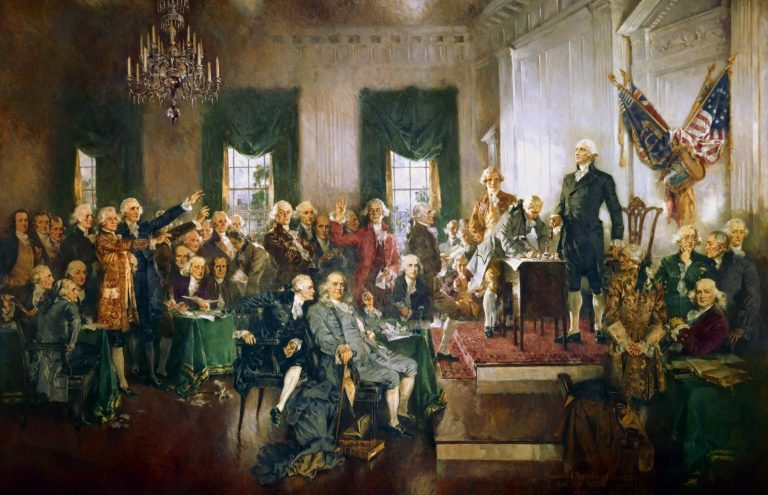
A groundbreaking study of America’s first great political debate under our Constitution provides indispensable political education and guidance for our polarized and confused politics today.
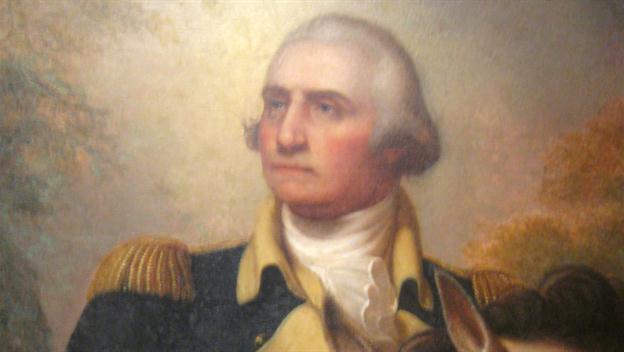
In the age of Clinton and Trump, we need the principles and ideals that animated America’s first president more than ever.
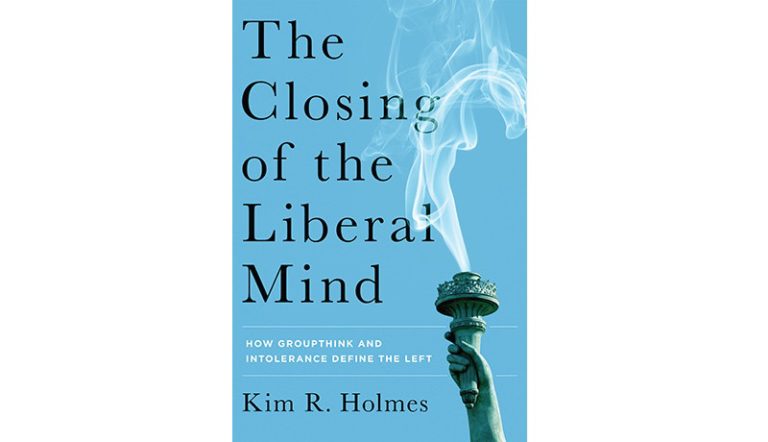
Kim R. Holmes's new book interweaves abstract philosophy with history, empirical data, and concrete narrative.
This Fourth of July, if you believe that the work we do improves the political discourse that is so vital to the preservation of our republic, won’t you make a gift to support the work of Public Discourse?
There comes a time where gross disregard for human life and for our constitutional order should stir us from docile obedience and impel us to resistance.
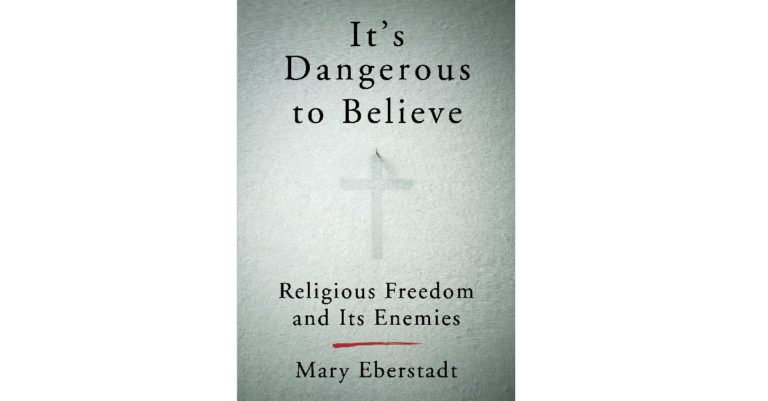
In an excellent new book, Mary Eberstadt argues that secular progressivism is not just a political ideology; it is a competing faith.
There will be no true justice—and no real political discourse—until the Rawlsian illusion of neutrality is rejected and the Rawlsian tyranny strangling political discourse is overthrown. The second of two parts.
With Trump as nominee, social conservatives might think that by not voting for him they are keeping their hands clean. These people fail to recognize that under a Clinton regime there will be no refuge from a systematic agenda that seeks to destroy the very notion of “nature” and of any restraint on federal power.
Pro-abortion groups promote stories that present abortion as an empowering experience, but those in post-abortion recovery ministries know a different reality. Many women and men are deeply wounded by their experience of abortion.
If the federal government, via the interpretive activity of one of its executive departments, can issue mandates to the states regarding bathrooms, it is hard to imagine an area of local governance shielded from federal scrutiny.
If a slogan can mean anything to anyone, who could oppose it?
The humanities have much to offer to professionals in every field, from science to law to finance—if only their defenders knew how to make a convincing case to the general public. Donald Drakeman’s new book offers several approaches to making that case.
The American Founders understood that good government requires judicious “rigging.” Such rigging is only “crooked” if one wrongly assumes that consent alone is a sufficient condition for justice.
