Witherspoon Institute
2026 Summer Seminars
Held in Princeton, NJ
For rising high school juniors and seniors, undergraduates, and graduate students.
Keep up with the conversation! Subscribe to Public Discourse today.
Book Reviews
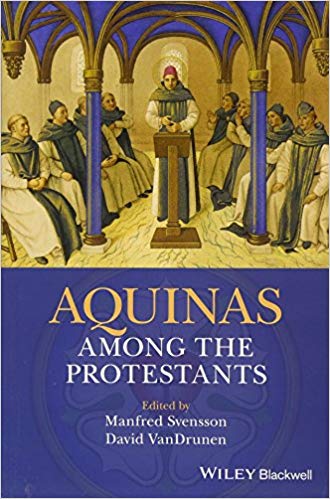
A new collection of essays, Aquinas Among the Protestants, demonstrates the impact that Thomas Aquinas has had on Anglican, Lutheran, and Reformed thinkers and explores the ways in which contemporary Protestant Christianity could benefit from Aquinas’s insights, particularly regarding natural law and virtue ethics.
In her new book, Camille Paglia continues to set herself apart from mainstream American feminism—and offers sage advice to conservatives inclined to jump on the #MeToo bandwagon.
According to sociologist Mark Regnerus, the birth control pill and the rise of internet porn decreased the cost of sexual access so substantially as to affect a fundamental shift from a world in which sex served higher goods to a world in which sex is the higher good.
By Julian Vigo
Michael Rectenwald’s new book offers up passionate intellectual debate in a climate where the discursive righteousness, sexuality, sex, skin color, and feelings of the speaker too often matter more than the thoughts espoused. It is a portrait of the contemporary scene of academic freedom, which is anything but free, and even less academic.
Leslie Rubin’s portrait of Aristotelian America and American Aristotelianism is an invaluable contribution to our understanding of our situation.
Leslie Rubin’s brilliant study argues that the fault, dear America, lies not in our stars but in ourselves—our repudiation in the past century of the moderate liberal philosophy of Federalists and Anti-Federalists alike, which was steeped in Aristotelian wisdom about favoring the decent republican virtues of a middle class.
Rebecca Todd Peters’s new book is titled Trust Women: A Progressive Christian Argument for Reproductive Justice. Yet she totally dismisses the arguments and decisions of pro-life women. Perhaps a better title would have been “trust pro-choice women to make pro-choice decisions.”
Stephen Greenblatt’s new book is broad-ranging, accessibly written, and nominally dedicated to an interesting topic: tyranny in the work of William Shakespeare. Unfortunately, too much of the author’s energy is dedicated to expressing disdain for a particular contemporary politician in a way that detracts from his declared purpose.
The title of Yuval Noah Harari’s book, Homo Deus: A Brief History of Tomorrow, is misleading. While the book uses a future-oriented rhetoric, it is actually less about the future than it is about what the author takes to be the nature of life itself: namely, that we are all just bundles of algorithms.