Witherspoon Institute
2026 Summer Seminars
Held in Princeton, NJ
For rising high school juniors and seniors, undergraduates, and graduate students.
Keep up with the conversation! Subscribe to Public Discourse today.
Book Reviews
By John Ehrett
In Andrew Walker’s new book, religious liberty is presented less as a political doctrine than as a description of reality itself. In this view, religious liberty is the logical consequence of an orthodox view of God as the transcendent horizon of all human effort and a view of human beings as agents with consciences not subject to direct political coercion.
By Lara Ryd
Even as a woman shapes the child growing within her, the joys and trials of pregnancy are shaping her, sanctifying her, and teaching her how to depend on others during this season of peculiar service.
By Sally White
No magic pill or incantation solves the mystery of death, but a new handbook shows mortals how to use medical resources and cultural practices to die better. It emphasizes our interdependence, cautioning readers to avoid therapeutic obstinacy, to recognize the moral dimensions of dying, to grieve, and—in so doing—to grow.
Without a revelation from God to confirm that man’s end transcends this world, politics will dominate our life and make hell on earth. But in its proper place, politics can do great good. As Fr. James Schall reminds us, the “abiding problem” of the “political enterprise” is to grasp this “limit of politics.”
In their new book, Scott Hahn and Brandon McGinley provide a rousing exhortation for Catholics to unapologetically live out their faith. Unfortunately, the book contains too many generalizations, overstatements, and imprecisions to be a thoughtful guide to Catholic politics. Any serious Catholic politics must recognize that the problem of pluralism cannot be solved by dominating non-Catholics and imposing our view of the good on them.
Practical reasons are where the action is if one is to engage agents, the culture at large, and even popes, in moral discussion, debate, and deliberation. There is really no alternative in an ethics of virtue, acquired or infused.
Human beings have a natural appreciation for beauty, but we strain to justify its existence in utilitarian or pragmatic terms. By offering an attractive vision, beauty makes the truths to which it relates appealing. It helps convince us that the good may not just be good for human life in the same way a healthy diet and exercise are, but also a source of joy.
By Samuel Gregg
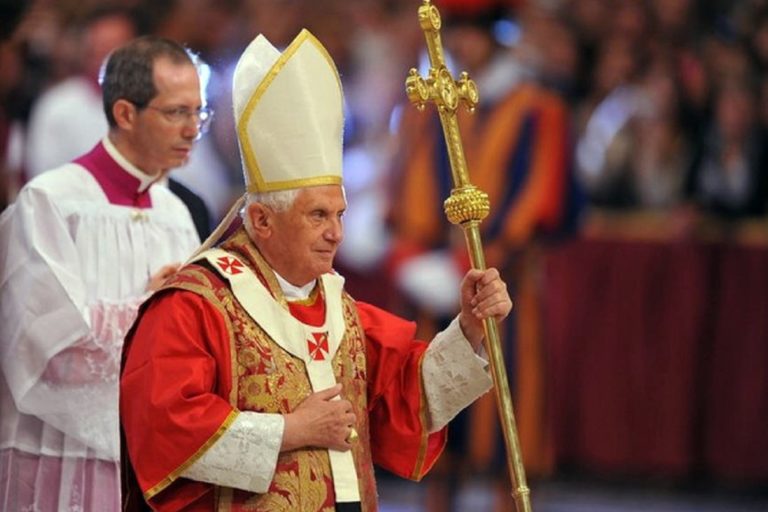
The first of a projected two-volume biography of the theologian-pope underscores his thought’s consistency and how it was shaped by Germany’s twentieth-century traumas.
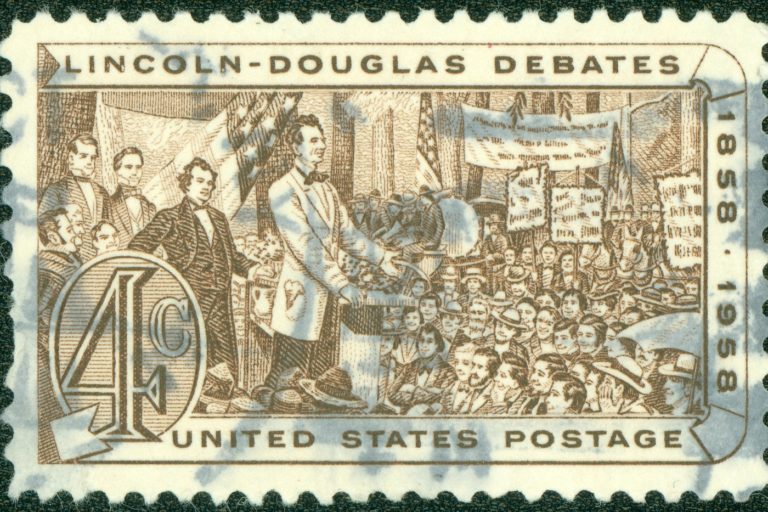
Partisanship is strong drink, and moderate consumption of the intoxicant has always been difficult. Herewith some recommendations for reading on partisan moments in American history.