

















Joseph Boyle was a colleague, mentor, and friend to many associated with Public Discourse and in the broader academic community. He will be sorely missed.
Neither the New Testament nor the writings of early Christians support the idea that material wealth is intrinsically evil.
Diversity is complex—much more so than our popular treatment of the subject suggests. Shallow thinking about diversity lends itself to a number of fallacies. If we desire a fruitful conversation about diversity, we first need to recognize—and reckon with—this complexity.
While many Christians have undermined human liberty, a new book of essays shows just how much of our contemporary freedom we owe to the Christian church, Christian thinkers, and Christian practice rather than liberals and liberalism.
Now is not the time for proponents of religious freedom to partner with proponents of sexual orientation and gender identity legislation in hopes of catching a few crumbs of liberty that fall from the table.
Transgenderism is based on feelings that can change over time.
Far too many of us, even the most tender and gentle, have absorbed the hypothesis that a refusal of life is the condition of love.
Advocates for “death with dignity” seem to deny reality, since no human death is truly dignified—even if a person chooses or accepts it. Instead, what ultimately gives death dignity is the kind of life that preceded it.
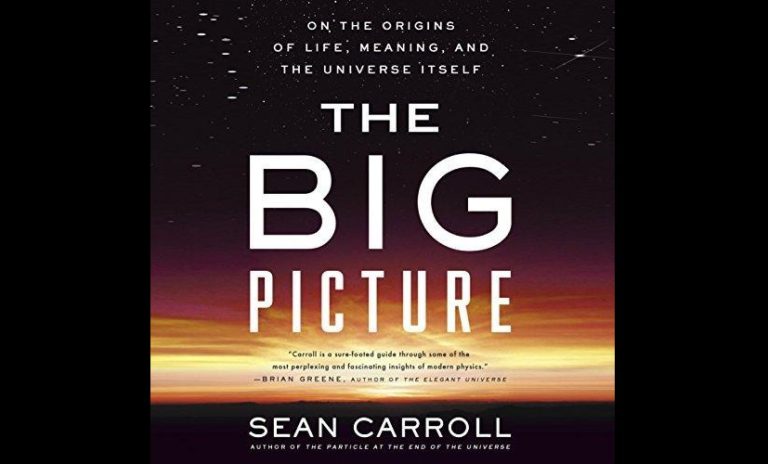
Sean Carroll’s new book, The Big Picture, proposes an apparent middle ground between an exclusively materialist account of reality and one that includes non-physical components.
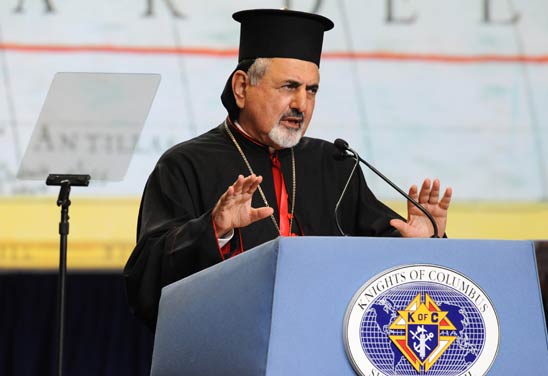
It is time for the international community to respond to the plight of Christians in the middle east. Adapted from an address delivered by the Patriarch of the Syriac Catholic Church of Antioch to the 134th Convention of the Knights of Columbus.
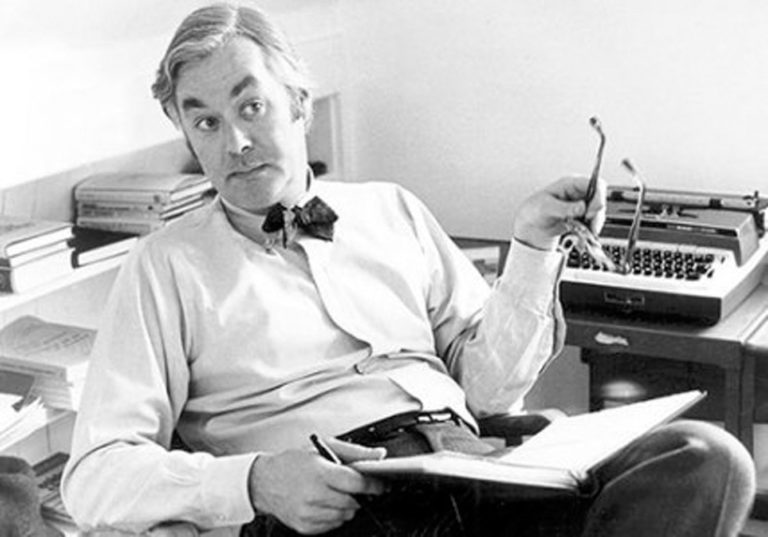
Contemporary politicians would do well to emulate the virtues of Daniel Patrick Moynihan, a liberal who understood the conservative lesson that intermediary institutions—particularly families—are essential for preserving liberal society.
In spite of its weak philosophical foundation, our culture has deep-seated moral instincts and political commitments. These make it possible to begin the recovery of sound moral and political thought.
The failure of movement conservatism to connect principles to policies that speak to current challenges has rendered it increasingly irrelevant to most Americans—and even to most Republicans.
No American politician is ever as great as his most ardent adulators say or as bad as his most vitriolic detractors say. Still, Trump’s rise reveals a certain lowering of standards not only among the voters who support him but also in the elites who oppose him.
American political history mirrors Colin Kaepernick’s football career: exceptional promise coupled with often disappointing performance. We would do well to remember and embrace the meaning of American greatness while candidly acknowledging our nation’s shortcomings.
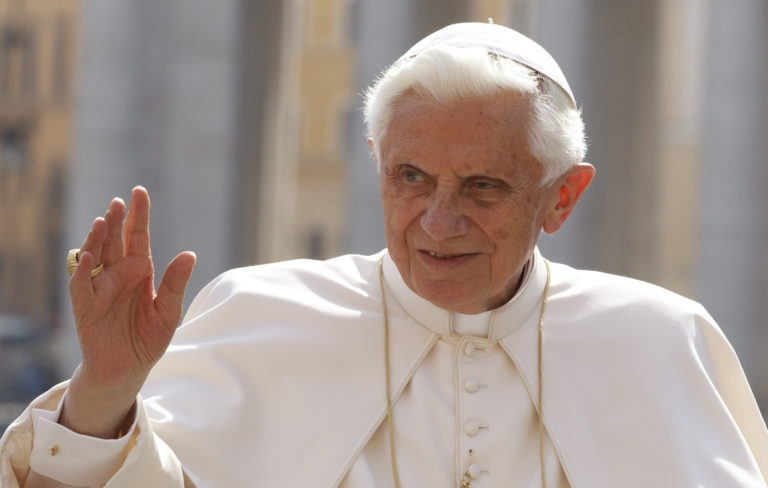
Against the Age of Feelings, Joseph Ratzinger has consistently upheld the power of reason in all its fullness.
A rigorous new report finds that very little of contemporary “knowledge” in the area of human sexuality and gender is actually supported by strong scientific evidence.
Couples who adopt children out of an abundance of spousal love are creative and life-giving; they help form the identity of their children in a way that mirrors God’s adoption of us through baptism.
A new book defends the view that parents have primary authority over their children. The role of the state is to help parents, not to take over tasks that are properly parental.
When picking a Supreme Court justice, the next Republican president should look to federal appellate judges who have also served on a state supreme court.
Mother Teresa of Calcutta was canonized yesterday by Pope Francis. In 1994, she submitted an amicus brief, filed by her counsel Robert P. George, pleading with the United States Supreme Court to reverse its decision in Roe v. Wade. The text of her brief appears below.
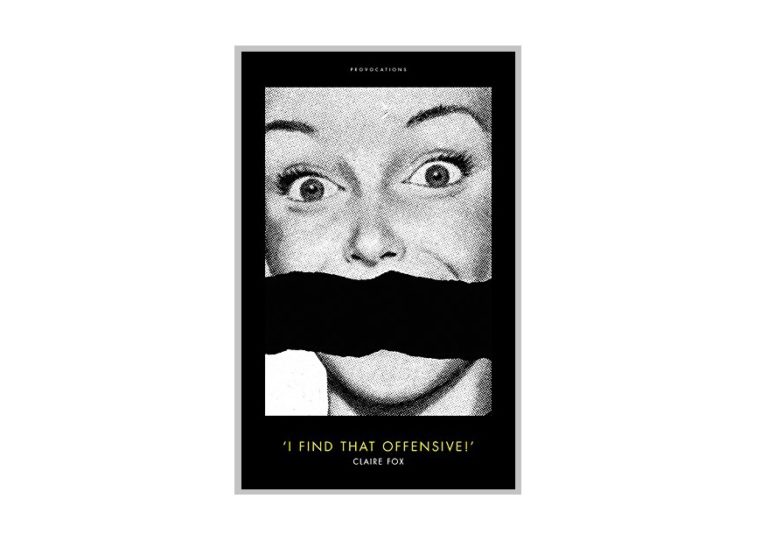
Claire Fox’s book, “I Find That Offensive!” is a well-written, important, even brilliant contribution towards understanding the significance of current campus conflicts for society as a whole. Sadly, the picture she paints is bleaker than Fox herself realizes.
Suffering can lead to serenity, if we respond to it with trust in a loving God who will make all things right. We must remember: Love would not allow what Love could not restore.