














Our nation faces an assimilation crisis as many Middle Eastern immigrants reject our culture, which they perceive as libertine. We could improve the situation through a renewed commitment to our founding principles, particularly the reunification of faith and reason.
The Supreme Court is a vote away from unraveling years of incremental pro-life legislation as it examines the case surrounding Texas’ abortion-safety law HB2. But holding the abortion industry to a high standard of care should not be controversial, as the health of real women is at stake.
The global pro-life movement will continue to speak out and defend the girl child. We must work to oppose all acts of gender based violence, protect women’s and girls’ lives, and seek consistent non-discriminatory life-affirming laws and policies.
Cronyism in the marketplace not only damages the economy. It is also unjust and deeply corrupting of the body politic—perhaps especially of democracies.
Speaking about empathy between humans and animals requires a robust philosophy of nature. Such a philosophy can guide us in thinking more deeply about what it means to be human and how the human animal can better be connected to the broader animal world.
Despite its naysayers, the original Hippocratic oath remains an enduring icon of medical ethics because it eschews the unbound and nebulous principles of modern bioethics in favor of traditional virtues and transcendent truths.
Pro-life countries must arm themselves against the UN’s intense pressure toward population control, while at the same time supporting and holding the UN accountable to its legitimate development objectives.
Robert Royal makes the case that, despite a twentieth-century period of confusion and fragmentation, Christian humanism has been renewed and revitalized, so that today it is “as alive as it has ever been.”
Any defense of constitutional originalism depends on accepting the principles of natural law and natural rights on which the Constitution was founded. Unfortunately, these principles no longer have meaning for most judges, politicians, and ordinary citizens today—which has troubling implications for the future of our republic.
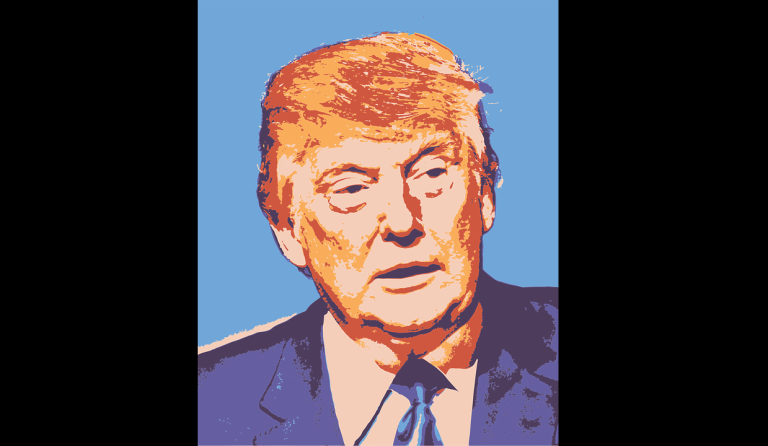
No amount of lecturing about principles will persuade voters who think that their interests are under assault—and that Trump is the only candidate taking their interests seriously.
In an era when Americans seek political leaders who display “authenticity” rather than prudence, a look back to the Federalist Papers makes clear the importance of a politics based on moderation rather than passion.
In a political climate saturated with insincerity and cynicism, Donald Trump’s unfiltered candor—however abrasive—seems like a welcome relief. But the problems with our modern political climate begin with our own unrealistic expectation that politicians care about every facet of our daily lives.
Moral reasons exist for the use of contraceptives to defend against sexual assault, thanks to the principle of double effect—but these reasons do not apply to using contraception because of the Zika virus.
The American Founders created a careful system to prevent the election of the power-hungry. Progressive-led changes to the electoral process in the twentieth century, however, make it all too easy for ambitious demagogues to seize control—as first Obama did, and now Trump is doing to far worse ends.
Physiology doesn’t lie: Women are less effective than men at meeting military objectives, and far more likely to be injured in combat. Let’s stop denying reality in a misguided effort toward “equality” and agree that women should not be drafted to combat roles.
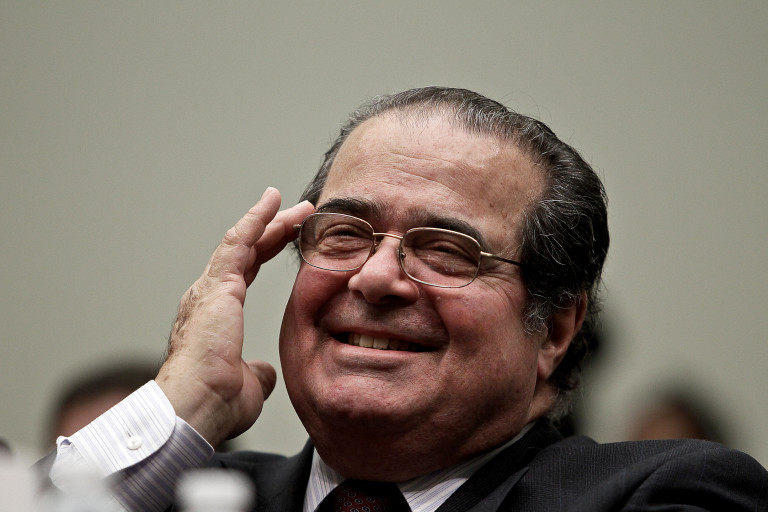
A man of deep faith and scintillating reason, Justice Scalia had an extraordinary ability to notice obvious, important truths that many overlooked. His informal remarks a few months before his death give insight into his intellect and character.
Universities are fundamentally different from businesses and cannot be run in the same way, and few executives understand the contemplative and investigative purposes of a Catholic university.
With the death of Antonin Gregory Scalia the nation has lost one of its greatest jurists and a man who embodied the principle of fidelity to the Constitution.
Today, we face a new epistemological crisis. In the realm of natural phenomena, our desire to know has outstripped our understanding of what it means to know. This has serious implications for assessing the data and statistical models presented by climate science.
A new book written from a liberal humanist perspective provides insight for conservatives who want to make a more broadly compelling case against euthanasia. It also suggests a basis for an effective coalition between liberals and conservatives.
As American medical ethics shifted from a model of paternalistic beneficence to a model of patient autonomy, self-determination became enshrined as the paramount value—ironically to the detriment of our society’s most vulnerable members.
By arguing that religion is intolerant and should not be tolerated, a new book inadvertently demonstrates that liberalism grounded in personal autonomy is the least tolerant religion of all.
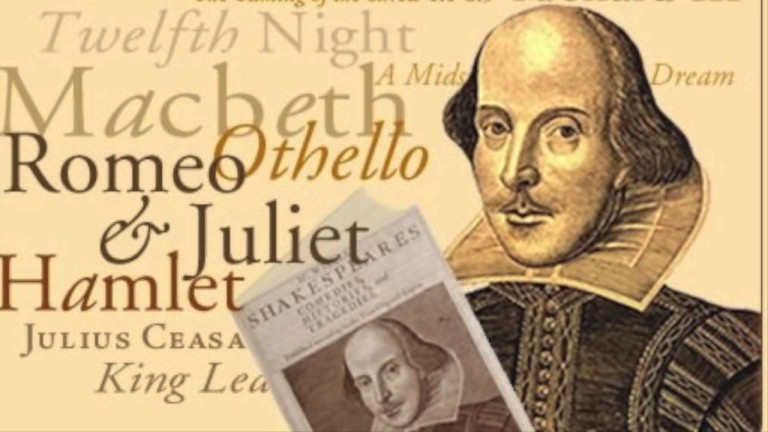
Since understanding political life is essential to understanding human nature, and revealing human nature is the mark of a masterful poet, great poetry like that of Shakespeare necessarily reflects political principles.
On both the state and federal level, long-acting reversible contraceptives are being pushed as a means to reduce the birth rate of the poor. These initiatives will have a disproportionate impact on the childbearing of racial minorities.