Witherspoon Institute
2026 Summer Seminars
Held in Princeton, NJ
For rising high school juniors and seniors, undergraduates, and graduate students.
Keep up with the conversation! Subscribe to Public Discourse today.
Book Reviews
By Rachel Lu
Jonah Goldberg’s new book is a poignant reminder that we should never allow discouragement to swamp our sense of gratitude. As Americans, liberalism is our patrimony. Even recognizing the drawbacks, we should maintain a proper respect for that heritage.
By calling our attention to the Founders’ political theory of the family, Thomas West’s new book leads us to ask whether a secular theory of natural rights and natural law can sustain the moral ecology necessary for self-government. If a secular natural-rights republic cannot sustain the family, it would seem to be neither a good nor attractive political theory.
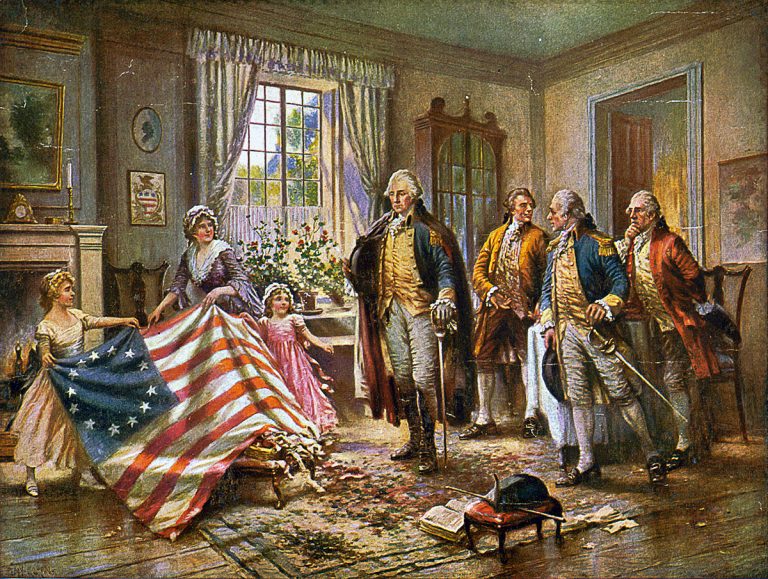
We are not Hobbesian atoms of self-will, not until liberalism makes us so. Human beings have ever been human by virtue of their relations with others, and by virtue of the bonds of duty and memory that these relations imply.
By Samuel Gregg
Patrick Deneen poses good questions but begs others. The second installment in the Public Discourse symposium on Why Liberalism Failed.
By Micah Watson
Patrick Deneen’s Why Liberalism Failed is a provocative attempt to explain what’s wrong with our culture, how this came to be, and what might be done about it. Although his historical account of liberalism is unpersuasive, he offers a prescient analysis of the current moment and insightful prescriptions for constructive action.
By Scott Yenor
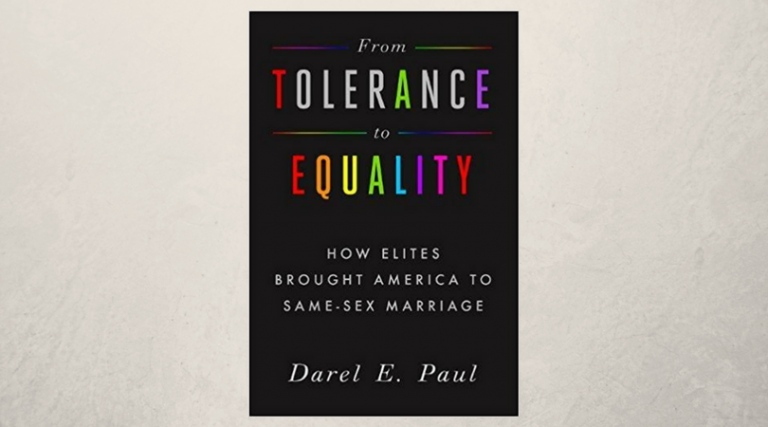
Darel Paul’s meticulous, courageous account of how the elites brought same-sex marriage to America deserves to be read by all who would understand where we are and where we're going.
By R.J. Snell
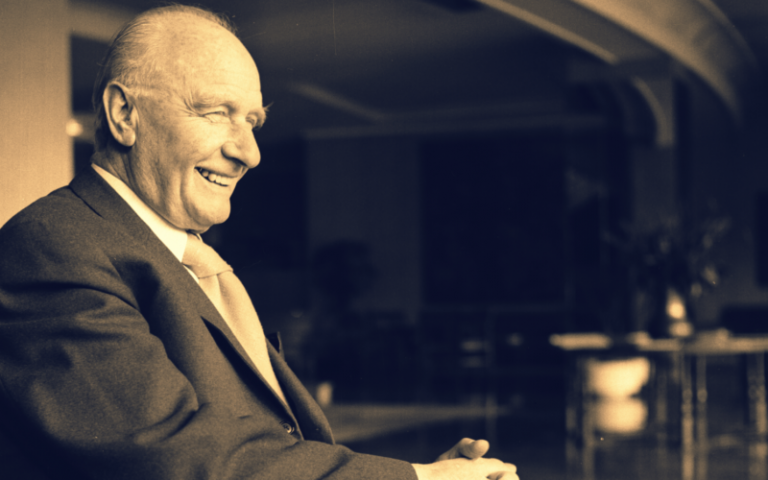
Joseph Pieper knows what Rob Riemen has forgotten: the existential poverty of the West cannot be evaded or solved through humanism, for no ersatz god gives meaning to our poetry, song, dance, and drama. Absent God, it is all vapor, lacking the goodness to which we respond in wonder, delight, joy, and feasting.
Women are deeply effective in the transmission of mores, as are the churches, schools, and civic organizations that they serve and lead. If these institutions were touched by white supremacy even into the 1970s, how can those educated by such institutions escape the influence of these opinions in their own interpretations of contemporary racial politics?
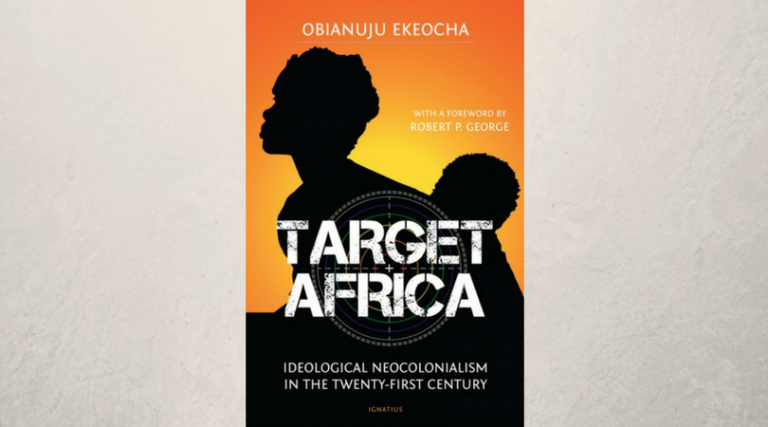
Aside from the importance of fighting ideological neocolonialism, building up the pro-life movement in Africa is essential given how politically and economically influential Africa is likely to become over the next century. Obianuju Ekeocha is doing this admirably and effectively on a shoestring budget.