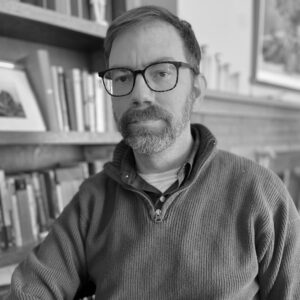
Jon D. Schaff is Professor of Political Science at Northern State University in Aberdeen, South Dakota. He teaches courses on American Political Thought, the Presidency, Politics and Film, and Philosophy of Religion. He is author of Abraham Lincoln’s Statesmanship and the Limits of Liberal Democracy, co-author of Age of Anxiety: Meaning, Identity, and Politics in 21st Century Film and Literature, available from Lexington Books, and numerous book chapters. He is also a co-editor of the two volume Humanitas: American Republic from Classical Academic Press.



| Cookie | Duration | Description |
|---|---|---|
| cookielawinfo-checkbox-analytics | 11 months | This cookie is set by GDPR Cookie Consent plugin. The cookie is used to store the user consent for the cookies in the category "Analytics". |
| cookielawinfo-checkbox-functional | 11 months | The cookie is set by GDPR cookie consent to record the user consent for the cookies in the category "Functional". |
| cookielawinfo-checkbox-necessary | 11 months | This cookie is set by GDPR Cookie Consent plugin. The cookies is used to store the user consent for the cookies in the category "Necessary". |
| cookielawinfo-checkbox-others | 11 months | This cookie is set by GDPR Cookie Consent plugin. The cookie is used to store the user consent for the cookies in the category "Other. |
| cookielawinfo-checkbox-performance | 11 months | This cookie is set by GDPR Cookie Consent plugin. The cookie is used to store the user consent for the cookies in the category "Performance". |
| viewed_cookie_policy | 11 months | The cookie is set by the GDPR Cookie Consent plugin and is used to store whether or not user has consented to the use of cookies. It does not store any personal data. |