The Legacy of White Supremacy: Why Confederate Monuments Should Come Down
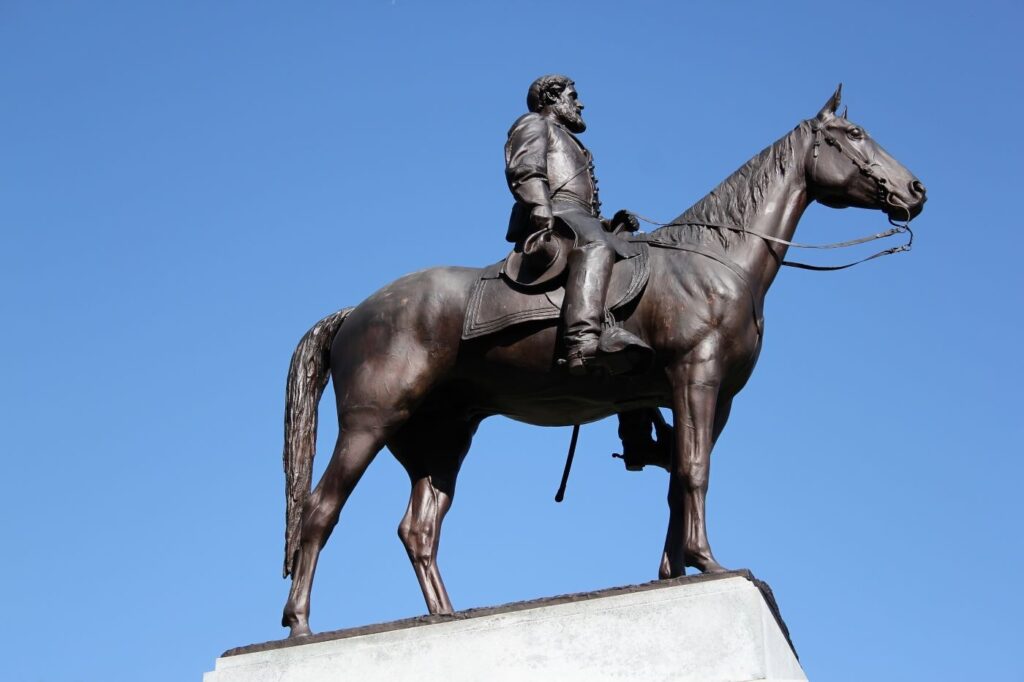
It is a natural thing for southerners to be drawn to Lee’s memory and to look up in admiration at a statue in his likeness. But the fact remains: such statues say to black Americans, in the voice of the unreconstructed white majority, “We’re back in charge, and don’t you forget it.”
Being Human in the Modern World: Why Personalism Matters for Education and Culture

How would you answer the basic question of philosophical anthropology: What does it mean to be human? How does that answer affect your life?
The Truth about Men, Women, and Sex

Recent revelations about sexual harassment, assault, and abuse underscore certain blunt realities about men, women, and sex. How can we confront those realities in a way that leads to less sexual violence?
Modern Families and the Messes We Make

Assistive reproductive technologies such as in vitro fertilization not only involve serious medical risks, they also disrupt family life and commodify human beings.
Public Discourse at 15: Resisting Evil without Losing Our Souls

In the past fifteen years, we’ve published articles on the moral, cultural, religious, and political issues of our time, including the most controversial and sensitive; but we have done so in a manner of which we can be proud, respecting the intellect and personhood of our readers, interlocutors, and intellectual contestants.
Sinners in the Hands of a Beautiful God
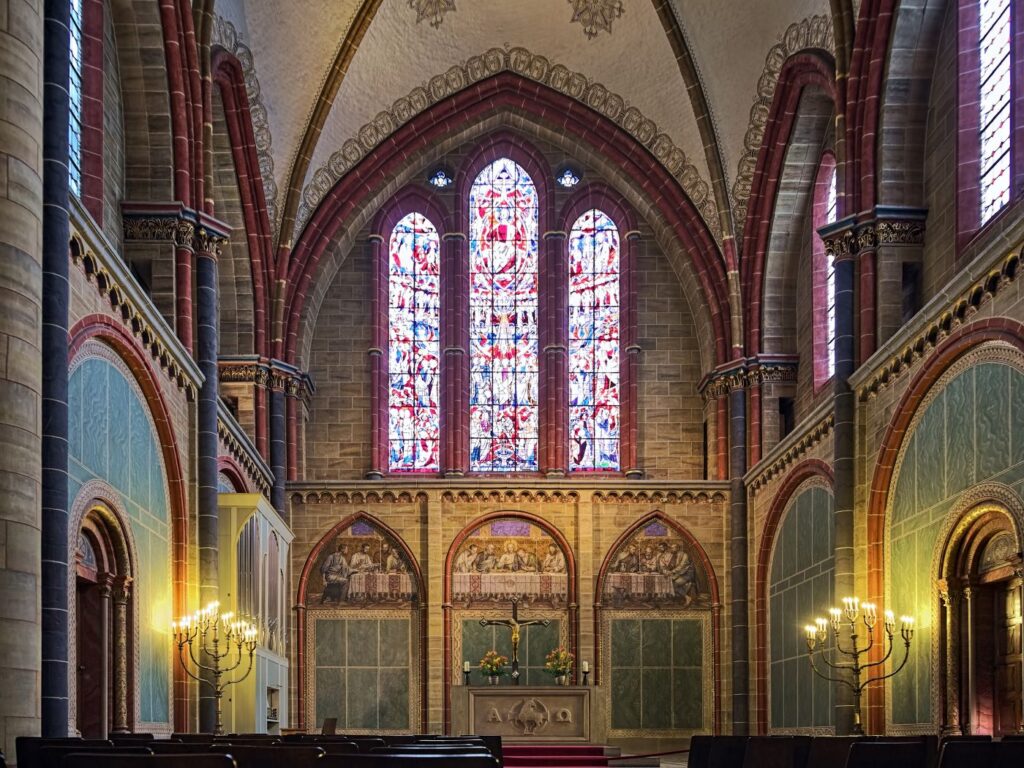
In this new book—intended to bring Edwards “into the twenty-first century”—Marsden has returned to the Edwards he first discovered in his twenties. The New England thinker’s “invigorating emphasis on the dynamic beauty of God at the heart of reality” grabbed him then and has not let him go. As Marsden says, “You don’t get tired of beauty.”
George W. Bush’s Bioethics Council, Revisited

The silent disappearance of the presidential bioethics council breaks fifty years of tradition. Sadly, this break came at a perilous time for bioethics.
Papal Power and the Obedience of the Faithful
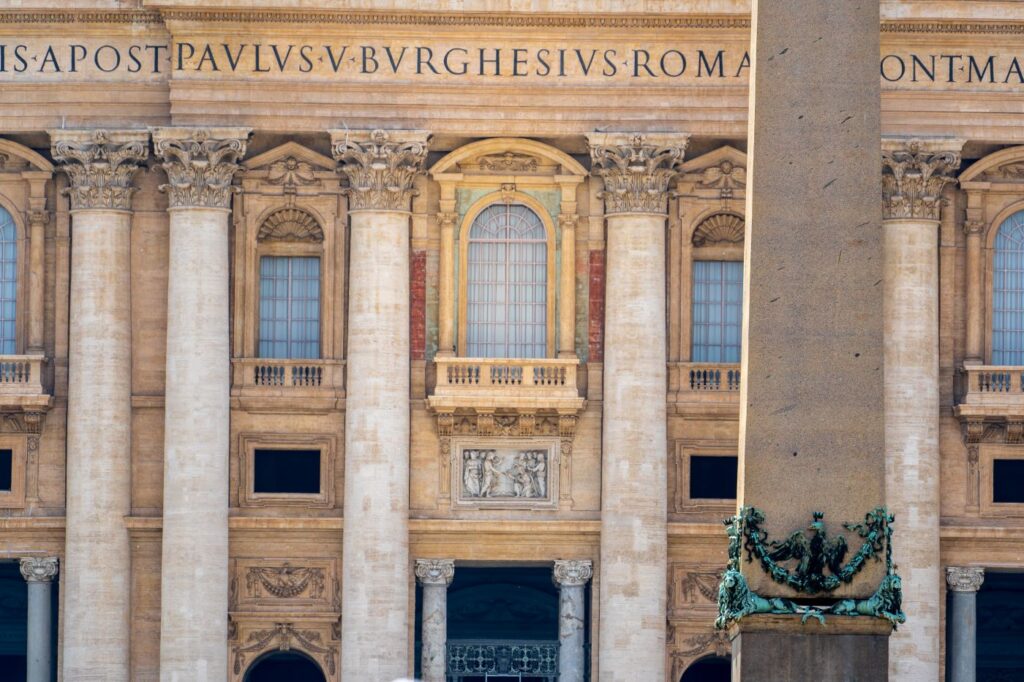
While a book like John Rist’s is diminished by its flaws, it’s not entirely unfair about our current moment.
To What Serves Mortal Beauty?

The dark side of overvaluing beauty is to seek to manipulate it into our own image, to manage it for ourselves. Hopkins says to leave it alone.
Life in the Ruins: Keeping Faith within the Immanent Frame

There is no romance without the real presence of God, no sacramental imagination without the sacraments, and the wonders of fantasy cannot be asserted of primary reality itself.
“Death” at Fifty: Ernest Becker and the Immortality Project

By embracing the fact that we do not belong to ourselves, we are not “our own person,” we may discover that responsibility for our dignity in both life and death belongs to God and to others, as it does to our own choices. The acknowledgment of human vulnerability and dependence may well be the antidote to the fear and anxiety at the root of the modern denial of death.
Francis of Assisi, Father of Modernity
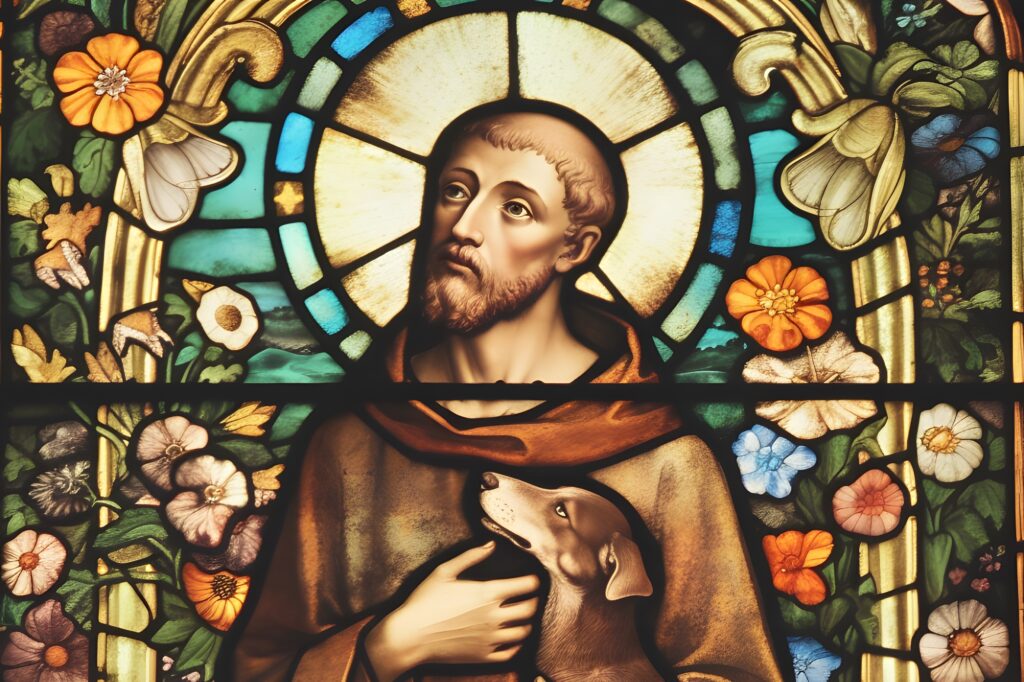
Francis of Assisi teaches us that those who want to embrace the joys of this life must also embrace suffering. Our forgetfulness of this truth could explain the current crisis of our civilization.
A Gentler Christian Nationalism: Social Scientific Correctives to a Reductionistic Theory

Various trends in American religion and right-wing politics further indicate that as the political influence of Christian nationalism is waxing, that of religious conservatism is waning. This need not be a fixed situation, but it does mean religious conservatives will have ample need of God’s grace as they consider how to avoid moral and spiritual compromise while navigating a particularly treacherous political landscape.
Human Rights and Old Temptations
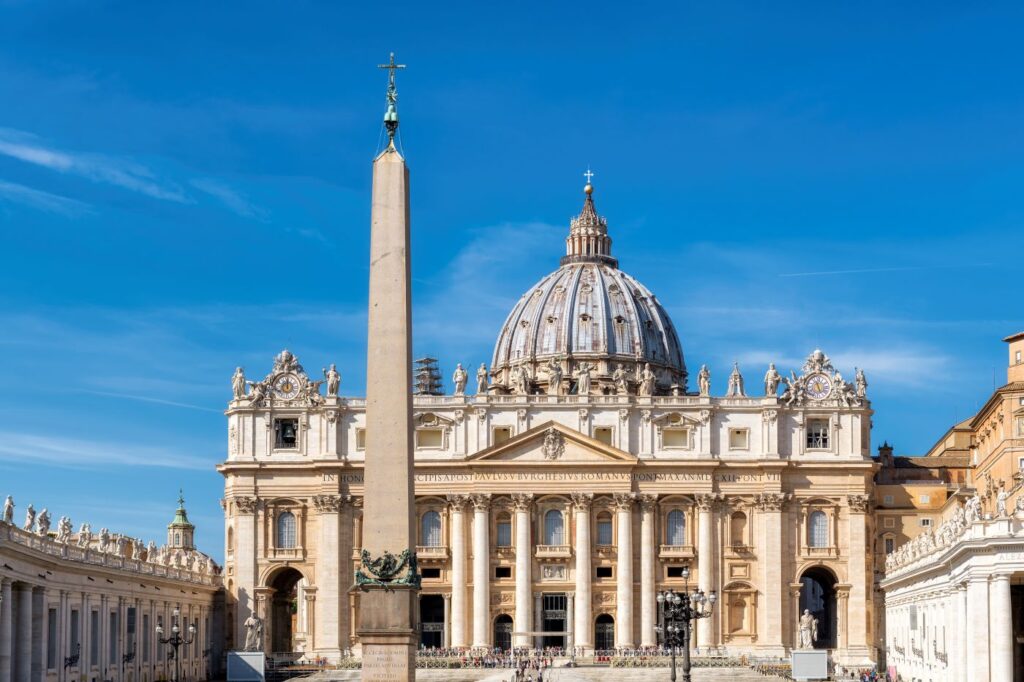
Spurred perhaps by a mixture of reactionary cultural sentiment and dissatisfaction with contemporary church authorities—and with the encouragement of outspoken postliberal voices—a predominantly younger and traditionally minded class of Catholics has begun to rediscover and reconsider the merits of these ideas. But the Catholic Church’s enduring support of human rights will not, and cannot, change.
The History and Future of Conservatism: An Interview with Dr. George H. Nash

These desires—freedom, virtue, and safety—were the underlying impulses of the libertarian, traditionalist, and national security elements of the “fusionist” conservative movement during the Cold War era. And, it seems to me that when you look at it this way, you will recognize that these yearnings persist on the Right to this day.
Conservatism and Identity Politics: A Review of George Hawley’s Conservatism in a Divided America

This book illuminates the path the modern conservative movement has taken heretofore and therefore will be an important aid to conservatism’s ongoing quest for self-definition.
A New Iliad
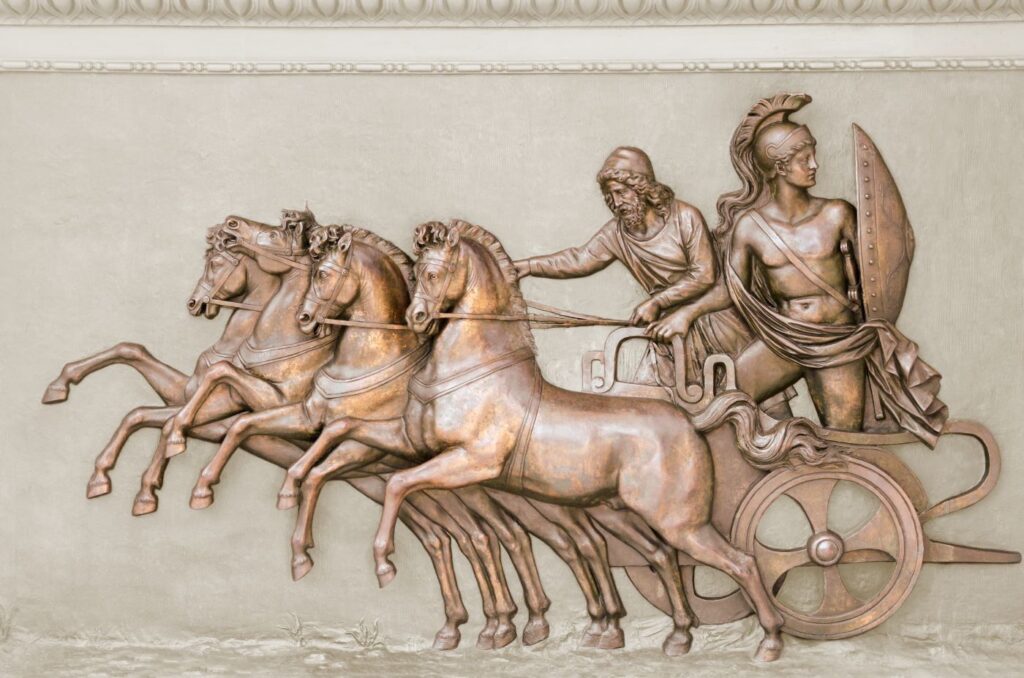
The first word of Emily Wilson’s new translation of the Iliad signals that this is not quite the Homer we’re used to. You may well ask whether anyone today can be used to an epic, conventionally attributed to a blind bard named Homer, that was composed some 2,750 years ago in a stylized form of Greek that no one spoke natively. But surprisingly, there have been more than a dozen translations into English in the past thirty-five years alone.
If We Want Better Schools, We Need to Be a Serious People

Our schools are failing not because of what happens in the classroom, but because of what happens—or more to the point, what doesn’t happen—at the dinner table. If we wish to be a serious people, then we must bolster our institutions with the power to humanize and domesticate the bedlam within us all.
Art and Politics in Roger Scruton’s Conservative Philosophy

Hörcher adeptly elucidates how Scruton’s belief in the intertwining of aesthetics, morality, and politics stands as a bulwark against the often fragmented worldview of today’s modern thinkers.
Living Well at the End of a World

Perhaps the greatest lesson Plenty Coups has to offer us is this: prudence and courage in the face of an unknown future make sense if they are grounded on God’s greater love for us and the promise of his abiding care. Hope impels us to hand on our religious and cultural inheritance even as many reject it. It encourages us to build new institutions as old ones fall apart.
Don Quixote and Our Quixotic Youth
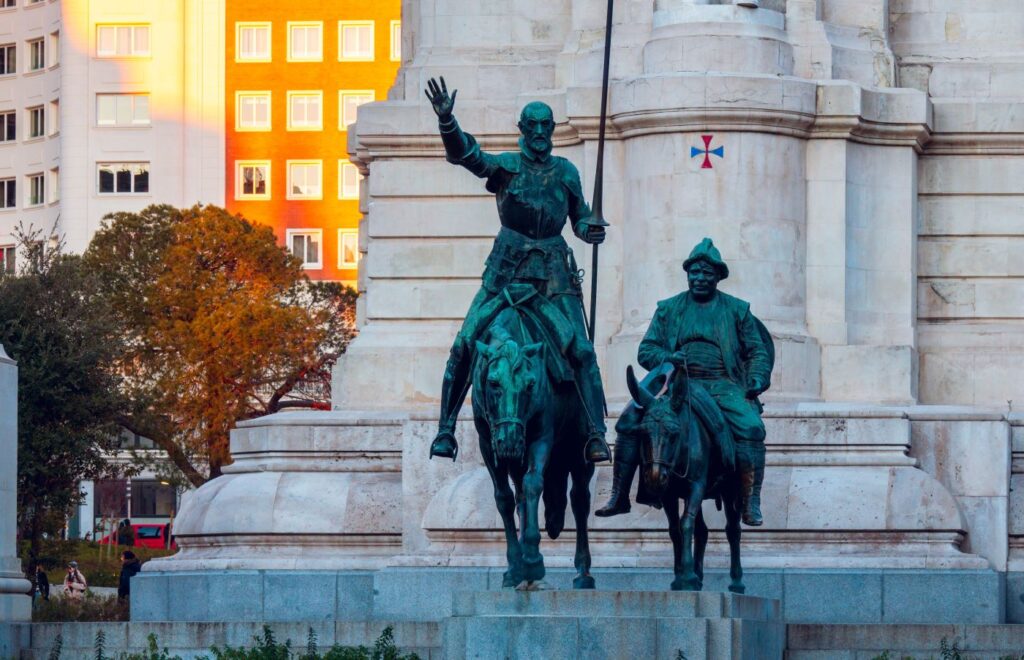
The scope of the crisis of masculinity is unchartered territory for America and the broader West. Yet many of the most exaggerated masculine traits have an ancient ancestry and can be traced back to one of the greatest works of the Western canon.
Civic Education for Two Cities
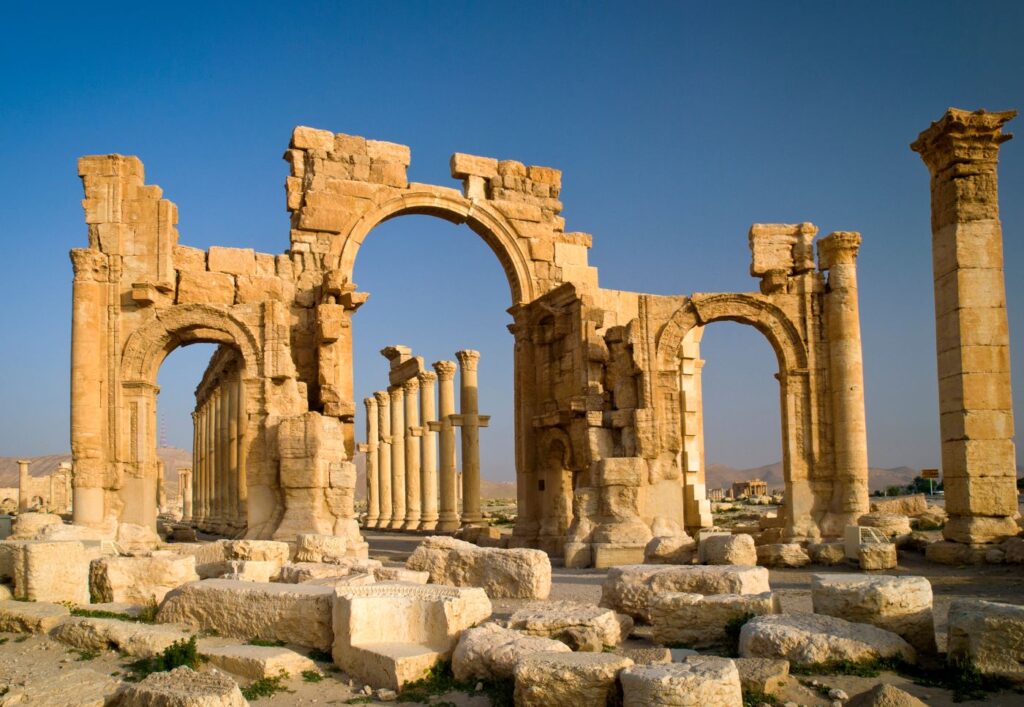
A parallel challenge exists in preparing active participants for life as citizens and as members of church communities. Similar strategies can help both.
The Art of Virtue and the Virtue of Art

By co-creating with God, we imitate his goodness, participate in his governance, and bring more of creation into the divine unity.
“Liberal” as an Adjective: The Politics of Michael Walzer
The liberal tradition is an ongoing conversation in which participants speak in a wide range of accents, reflecting the various “nouns” to which speakers are committed: liberal individualists and liberal communitarians, liberal nationalists and liberal internationalists, liberal believers and liberal skeptics, liberal socialists and—yes—liberal free marketeers.